


From 12 to 18 November of this year, Romana Augenstein, Coordinator of the GUZ Partners project, implemented by the German Textile Industry Confederation (Gesamtmasche) in cooperation with the “Uztextileprom” Association, with the support of the German Federal Ministry for Economic Cooperation and Development (BMZ) through sequa gGmbH, visited Uzbekistan.
Uzbekistan’s Textile Potential and International Cooperation: Important Visits within the Framework of the GUZ Partners Project
From 12 to 18 November of this year, Romana Augenstein, Coordinator of the GUZ Partners project, implemented by the German Textile Industry Confederation (Gesamtmasche) in cooperation with the “Uztextileprom” Association, with the support of the German Federal Ministry for Economic Cooperation and Development (BMZ) through sequa gGmbH, visited Uzbekistan. During her visit, accompanied by representatives of the GUZ Partners project team, she explored the country’s extensive textile potential, gained insights into the operations of modern manufacturing enterprises, and held meetings aimed at strengthening cooperation between Uzbek and German textile industry partners.
On the first day of the visit, Romana Augenstein and the GUZ Partners project team attended the Heimtextil Uzbekistan exhibition, held alongside Texworld Tashkent and Apparel Sourcing Tashkent. These important international platforms bring together textile manufacturers, industry professionals, and international partners. The delegation also participated in panel discussions as part of the exhibition programme.
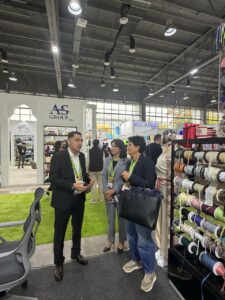
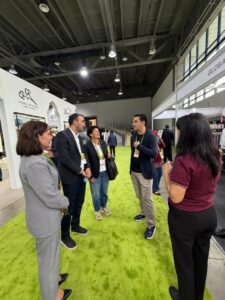
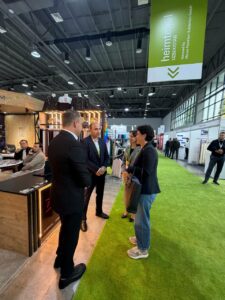
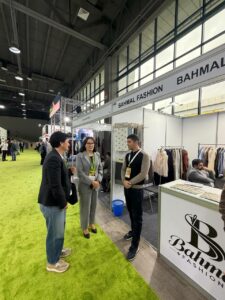
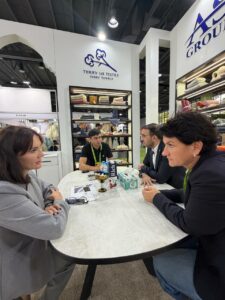
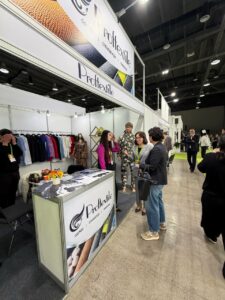
At the exhibition, numerous local companies proudly presented their products under the “Made in Uzbekistan” brand, highlighting the dynamic development and growing potential of Uzbekistan’s textile industry. The visit also provided an opportunity for productive and inspiring exchanges with representatives of local companies, including F17 Jeans, Artatex, Proftextile, Bahmal Group, Sultana Lux, Terry Jar, Mubina Grand Textile, Nurtex, and others.
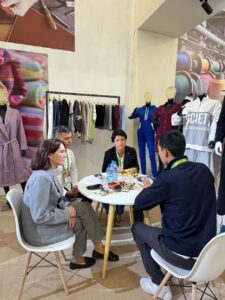
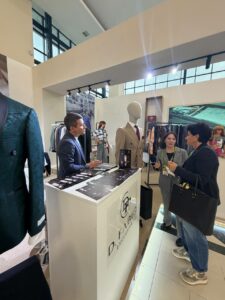

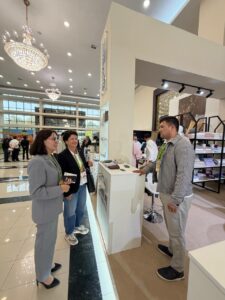
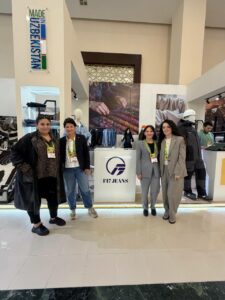
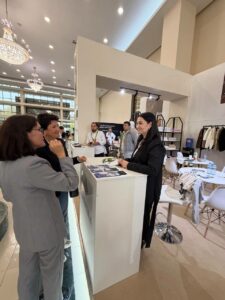
These meetings offered valuable insights into the achievements, strategic priorities, and challenges of Uzbek textile manufacturers. They also created opportunities to exchange experience, explore new areas of cooperation, and strengthen mutually beneficial partnerships between Uzbek and German companies.
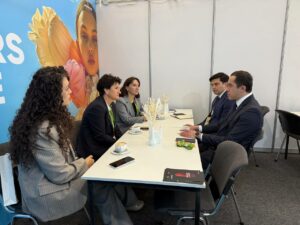
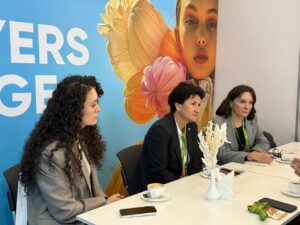
Within the framework of the Heimtextil Uzbekistan international exhibition, a meeting was held with Mr. Muhammadjon Djumaniyazov, Chairman of the Uztextileprom Association. The discussions focused on further developing cooperation between the textile industries of Uzbekistan and Germany, strengthening institutional and business ties within the framework of the GUZ Partners project, and identifying opportunities for new joint initiatives. The parties also outlined key priorities and objectives for the next phase of the project, with particular emphasis on expanding partnerships between Uzbek textile manufacturers and German companies, promoting the exchange of expertise, and supporting the sustainable development and international competitiveness of Uzbekistan’s textile industry.
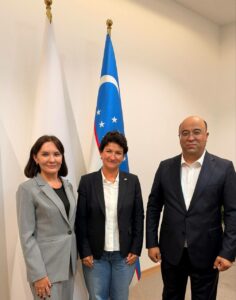
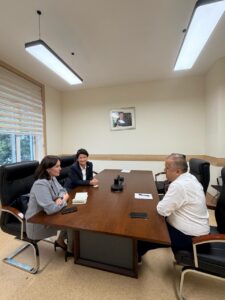
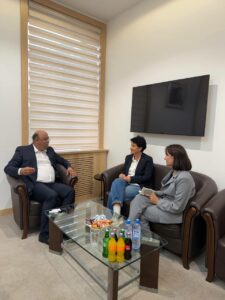
In addition, discussions on strengthening bilateral cooperation were held with Mr. Ruxullo Zikrillayev, Deputy Director of the Light Industry Development Agency under the Cabinet of Ministers of the Republic of Uzbekistan. The meeting provided an opportunity to exchange views on potential areas of collaboration, explore opportunities to support the development of the light industry, and discuss ways to enhance coordination between the relevant institutions and the GUZ Partners project. Particular attention was given to fostering closer cooperation between Uzbek and German stakeholders, facilitating knowledge transfer, and advancing initiatives aimed at improving production efficiency, strengthening export potential, and creating new opportunities for international business partnerships.
Both meetings reaffirmed the importance of continued dialogue and coordinated efforts between Uzbek and German partners in promoting long-term cooperation, strengthening the textile sector, and ensuring the successful implementation of the next phase of the GUZ Partners project.
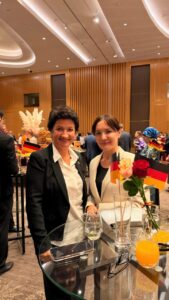
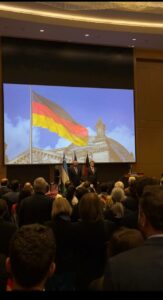
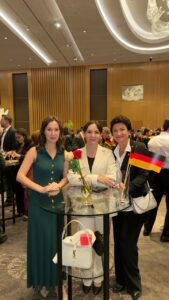
Furthermore, Ms. Augenstein and Ms. Nabieva attended an event organized by the Embassy of the Federal Republic of Germany in Uzbekistan to celebrate the Day of German Unity. The event provided an excellent opportunity to strengthen professional and diplomatic ties, exchange views with representatives of German institutions and business communities, and reaffirm the importance of continued cooperation between Germany and Uzbekistan. Participation in this celebration also highlighted the role of the GUZ Partners project in fostering bilateral relations and promoting sustainable partnerships between the German and Uzbek textile industries.
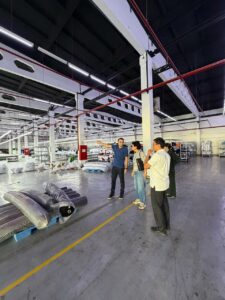
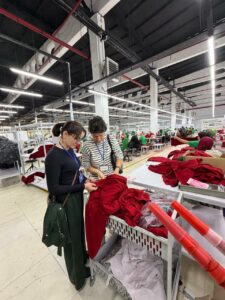
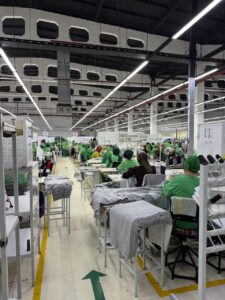
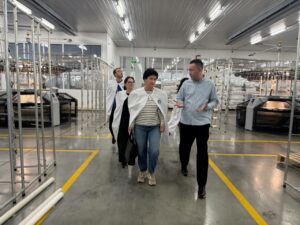
In the following days, Romana Augenstein and representatives of the GUZ Partners project team continued their programme with visits to leading textile enterprises and industrial clusters across Uzbekistan. The programme covered Tashkent City and Tashkent, Fergana, Namangan, Kashkadarya, and Bukhara regions, offering an opportunity to gain first-hand insights into the country’s diverse textile production capabilities, technological development, and export potential.
Each visit provided a closer look at the specific strengths of the regions, the different stages of textile processing, and the experience of local manufacturers in developing competitive, value-added products. The meetings also served as a valuable platform for exchanging perspectives on production efficiency, quality management, sustainability, and opportunities for future cooperation with German partners.
Tashkent City and Tashkent Region
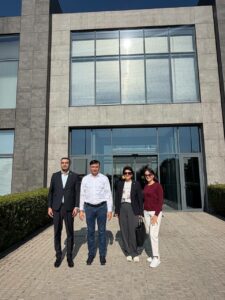
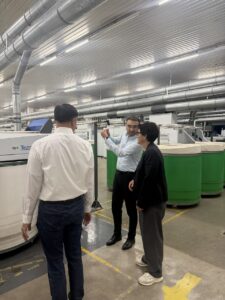
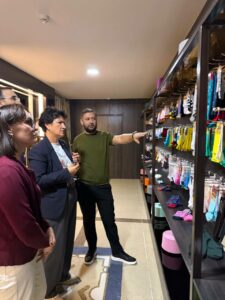
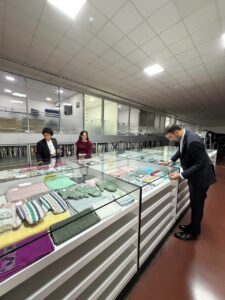
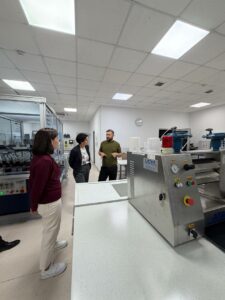
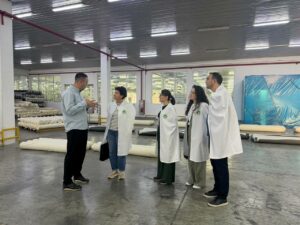
The delegation visited Bakan Tex, Diva, and Uztex Chirchiq to learn more about their production facilities, technological solutions, and manufacturing processes. Particular attention was given to the integration of different stages of production, from yarn manufacturing to finished garments, as well as the application of modern equipment and quality management practices. The visits offered valuable insights into how local enterprises are developing their production capabilities and responding to the requirements of international markets.

Fergana Region
In Fergana Region, the delegation visited Fergana Global Textile, Global Textile Infinity, and Shoshomi Textile. The meetings provided an opportunity to explore the various stages of textile production, from cotton processing to the manufacture of finished products with higher added value. Discussions also touched upon the companies’ approaches to resource efficiency, environmental responsibility, and the adoption of more sustainable production practices. The visits highlighted the region’s established textile expertise and its potential for further industrial development.

Namangan Region
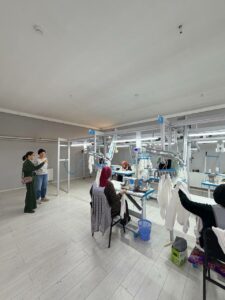
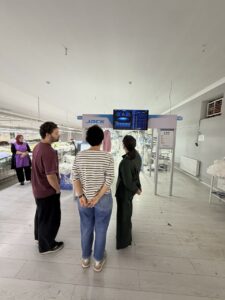
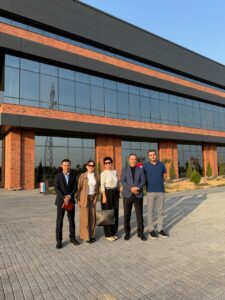
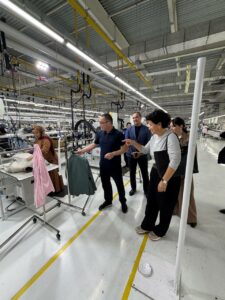
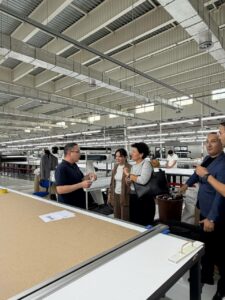
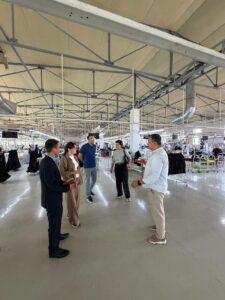
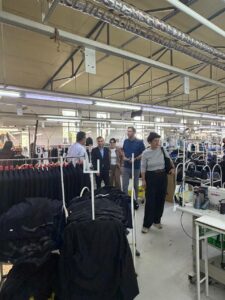
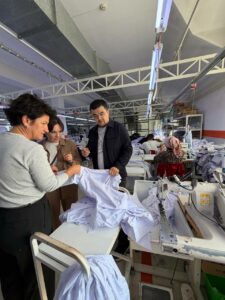
Namangan’s well-developed garment manufacturing sector was another important focus of the programme. The delegation visited Bekmen, ADIM, Dilmir Tikuv Service, Aisha Home, Mustang Textile, Nafiz Dizayn Tikuvchi, and D.Maretti, gaining insights into the region’s specialization in classic suits, men’s shirts, and other garment products.
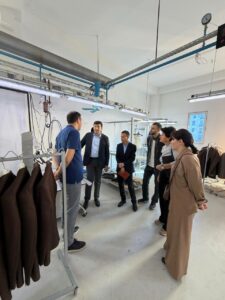
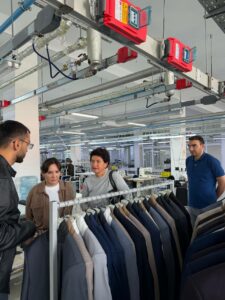
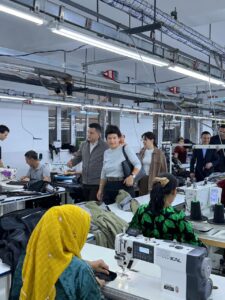
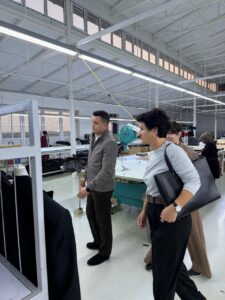
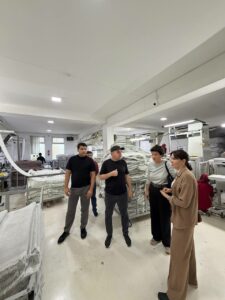
The companies demonstrated their production facilities, modern equipment, and approaches to garment manufacturing. Discussions covered product design, production processes, quality requirements, and opportunities to expand exports to international markets. The visits also provided a valuable opportunity to exchange views on how Uzbek manufacturers can further strengthen their competitiveness and develop products tailored to the needs of European customers.
Kashkadarya Region
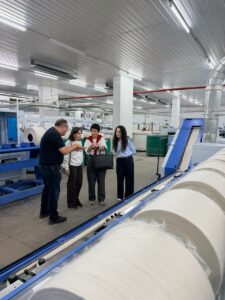
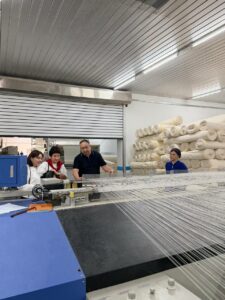
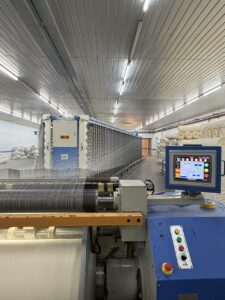
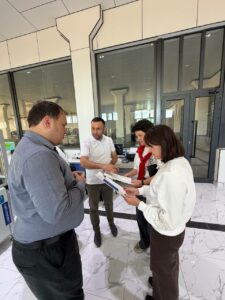
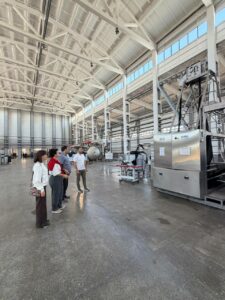
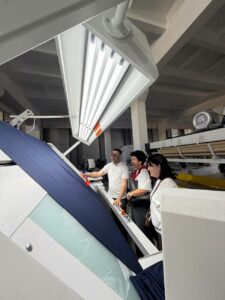
In Kashkadarya Region, the delegation visited Bunyodkor Textile, a major textile cluster offering a broad range of production activities. Participants were introduced to the manufacturing process, from the receipt of raw cotton to subsequent textile processing.
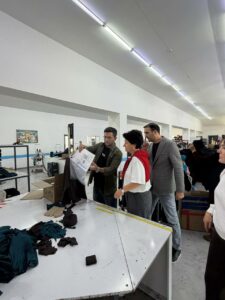
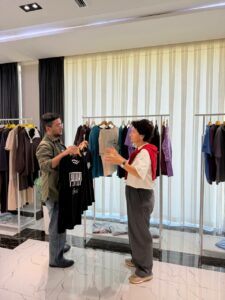
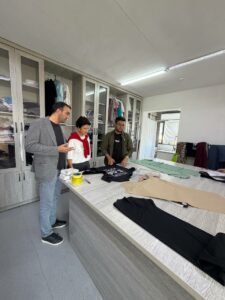
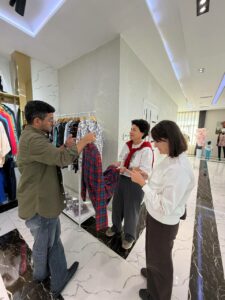
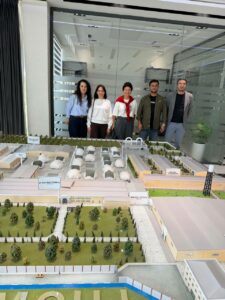
Particular interest was generated by the enterprise’s modern dyeing facility and well-equipped analytical laboratory, which provide a practical foundation for work on product quality and process control. The visit also opened up opportunities to discuss the further development of professional expertise in textile finishing. As a follow-up to the discussions, the parties agreed to explore the organization of a specialized training seminar at the enterprise, making use of its facilities and technical capabilities.
Bukhara Region
The programme in Bukhara Region focused on the production capacities and development prospects of several local textile enterprises. At Merganteks, the delegation learned more about the production chain, from cotton processing to finished textile products, and visited the company’s modern laboratory.
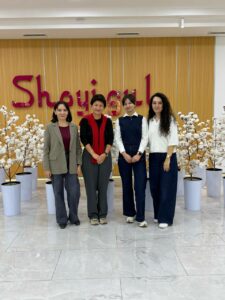
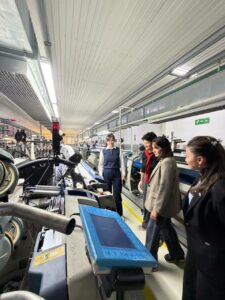
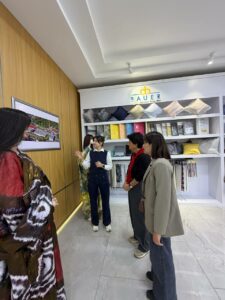
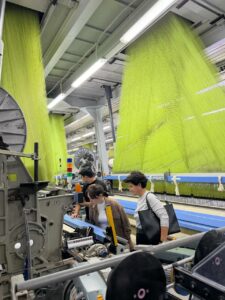
At Bahmal Group, participants were introduced to the company’s fabric-weaving capabilities, equipment, and diverse range of finished products. The programme also included a visit to Delta Rumino, a denim manufacturer, where the delegation observed production processes and exchanged views with specialists on the company’s experience and potential areas for practical cooperation.
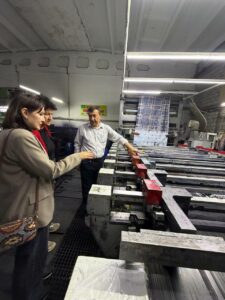
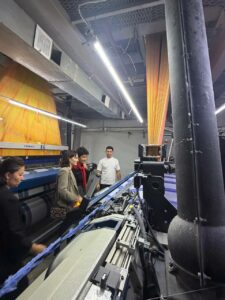
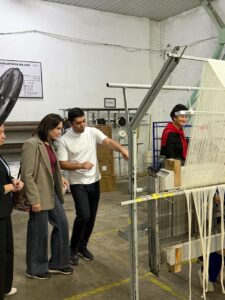
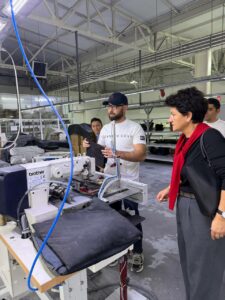
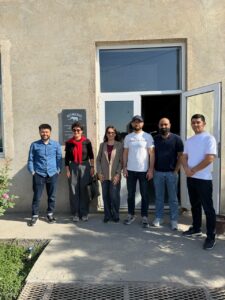
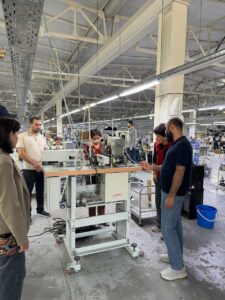
Taken together, the regional visits offered a comprehensive picture of Uzbekistan’s textile industry, demonstrating both the diversity of its manufacturing base and the expertise developed by enterprises in different parts of the country.
Throughout the programme, discussions with company management and technical specialists addressed opportunities to strengthen business relations with German partners, exchange practical knowledge, improve production processes, and respond to the requirements of European markets. Particular attention was given to the potential for technology and knowledge transfer, professional training, and the development of joint initiatives that build on the complementary strengths of the Uzbek and German textile industries.
The meetings also reinforced the importance of direct dialogue between industry representatives in identifying practical areas for cooperation. By bringing together the experience of Uzbek manufacturers and the expertise of German industry partners, the GUZ Partners project continues to support the development of sustainable business relationships and new opportunities for collaboration across the textile value chain.
Tashkent, Uzbekistan | 5–9 October 2026
A practical training seminar on “Lean Management in Manufacturing” was held from 5 to 9 October 2026 at Nurtex LLC in Tashkent, Uzbekistan, under the guidance of Professor Josef Klein from Albstadt-Sigmaringen University, Germany. The training aimed to strengthen participants’ practical knowledge of lean manufacturing principles and support the implementation of modern production management methods in Uzbekistan’s textile industry.