


To further consolidate the knowledge gained during the theoretical part of the international training program and to observe its practical application in a real production environment, the participants visited Trigema W. Grupp KG, one of Germany’s well-known family-owned textile and apparel manufacturers specializing in sportswear, leisurewear, and underwear.
From Theory to Practice: Visit to Germany’s Leading “Trigema” Company and Grand Conclusion of the Training Seminar
As previously reported, an international training seminar on “Lean Management in Manufacturing” was held at the prestigious Albstadt-Sigmaringen University in Albstadt, Germany. The program brought together more than eight women entrepreneurs from various regions of Uzbekistan, including representatives from Kashkadarya Region, the project’s second pilot region.
The training seminar was organized within the framework of the GUZ Partners project, implemented by the German Textile Industry Confederation (Gesamtmasche) in cooperation with the “Uztextileprom” Association, with the support of the German Federal Ministry for Economic Cooperation and Development (BMZ) through the sequa gGmbH agency.
To further consolidate the knowledge gained during the theoretical part of the international training program and to observe its practical application in a real production environment, the participants visited Trigema W. Grupp KG, one of Germany’s well-known family-owned textile and apparel manufacturers specializing in sportswear, leisurewear, and underwear.
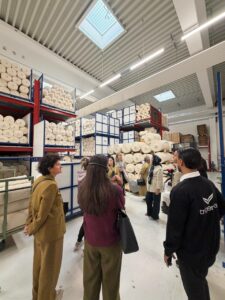
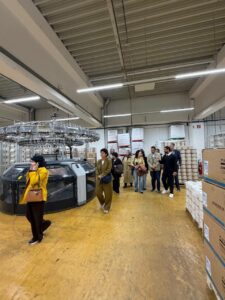
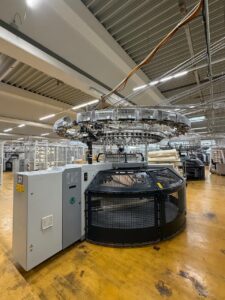
Established in 1919, Trigema is internationally recognized for its “100% Made in Germany” production philosophy. During the visit, the participants had an opportunity to explore the company’s production processes and gain a closer understanding of how Lean Management principles are integrated into day-to-day manufacturing operations. The excursion covered different stages of textile production, including yarn processing, fabric production, dyeing, cutting, and sewing of finished garments, with explanations provided by company specialists.
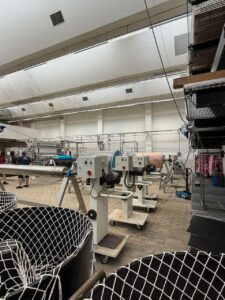
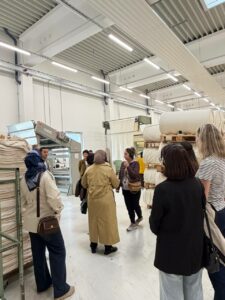
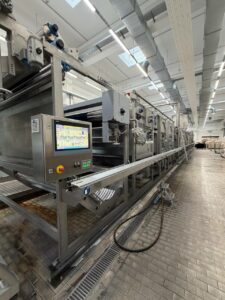
The participants also exchanged views with international expert Josef Klein on the production and management practices observed at Trigema. The visit provided an opportunity to discuss how similar approaches could be adapted to the participants’ own enterprises in Uzbekistan. Particular attention was paid to production organization, efficient use of resources, workplace organization, quality control, waste reduction, and the culture of continuous improvement.
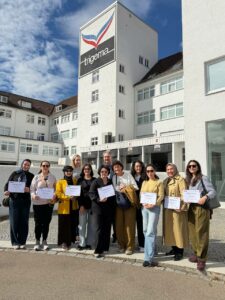
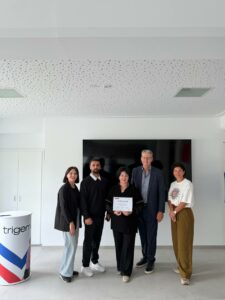
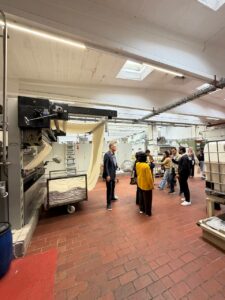
Delegation from Uzbekistan highly appreciated the practical examples demonstrated during the visit, particularly the systematic approach to production management, workplace organization, cleanliness, efficiency, and working conditions. The opportunity to see Lean Management principles in operation helped participants connect the theoretical knowledge acquired during the training with real industrial practices.
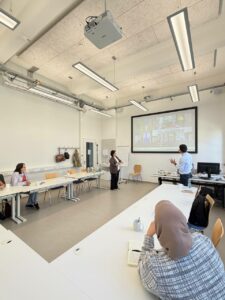
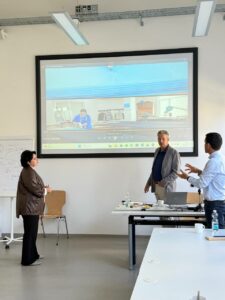
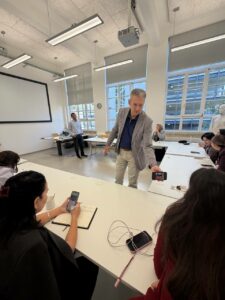
An important part of the final stage of the program was a B2B-format exchange among the participating women entrepreneurs. Following the training sessions, the participants held informal yet substantive discussions, sharing their experiences, business challenges, and ideas for applying the knowledge gained during the program in their respective companies.
The participants exchanged ideas on introducing Lean Management tools, improving production efficiency, reducing waste, strengthening quality management, and creating more organized and productive working environments.
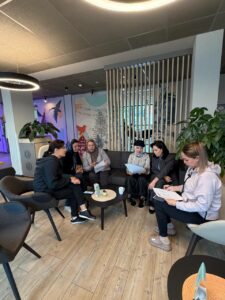
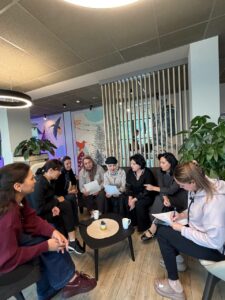
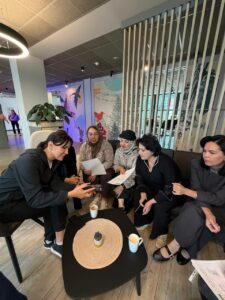
The discussions also created a platform for identifying potential areas of cooperation between participating companies, including possible joint production initiatives, supplier and business partnerships, exchange of technological and managerial experience, and future networking opportunities. For many participants, the program therefore became not only an educational experience but also an opportunity to establish new professional relationships with fellow entrepreneurs from other regions.
Throughout the intensive training program, the women entrepreneurs strengthened their practical knowledge in textile and manufacturing management and developed a deeper understanding of modern approaches to optimizing production processes. They learned how to identify and reduce unnecessary waste, use resources more efficiently, improve workflow, organize workplaces effectively, monitor key performance indicators, and introduce a culture of continuous improvement within their enterprises.
Women Entrepreneurs from Uzbekistan Take Part in an International Training Program in Germany from 14-21 September 2026 on “Lean Management in Manufacturing” theme at Albstadt-Sigmaringen University